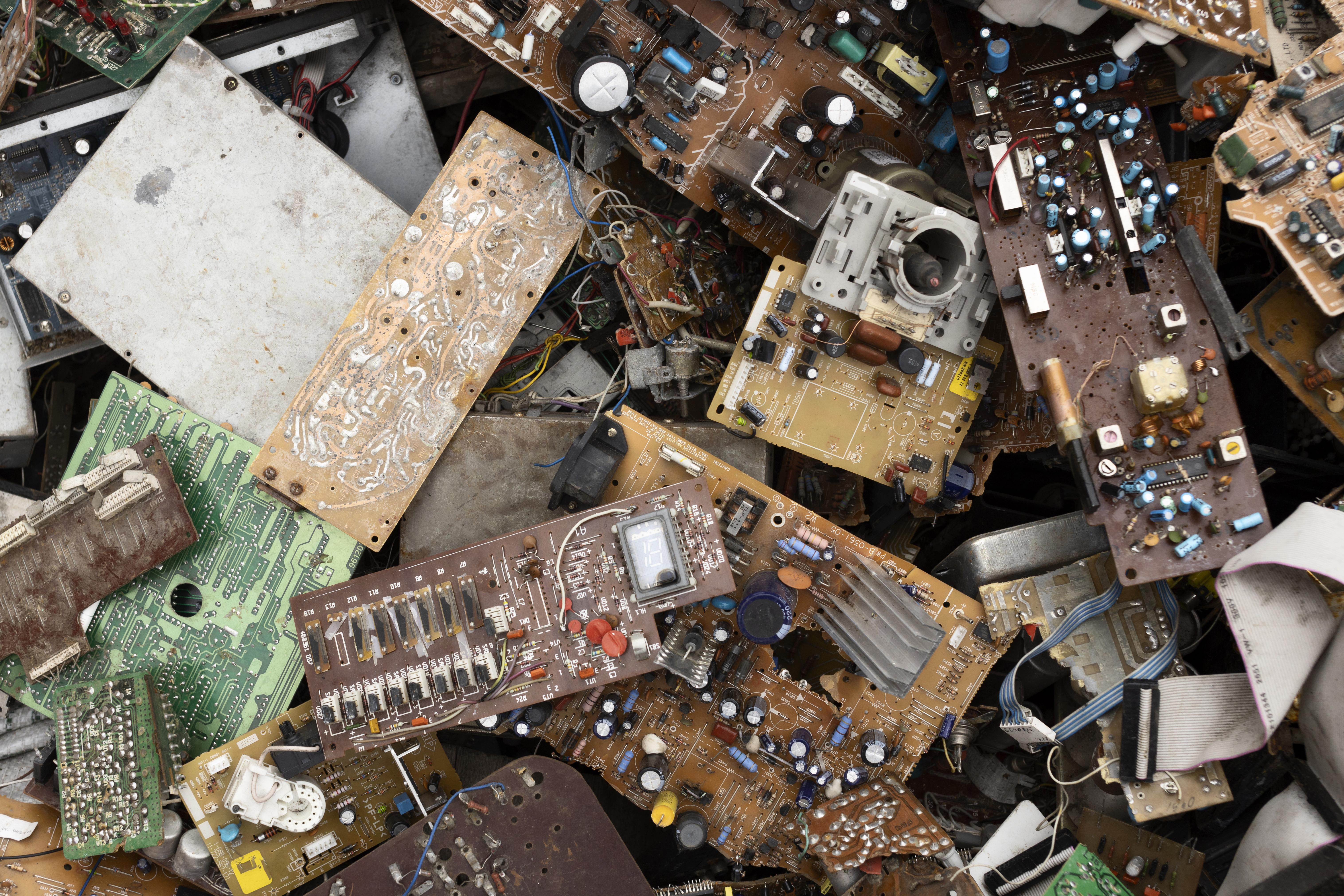
The Problem
AI systems require powerful, specialized hardware — GPUs, processors, and servers — that become outdated quickly as technology advances. When newer, faster chips are released, older equipment gets replaced and discarded. The world generated 62 billion kg of e-waste in 2022, and only about 22% of it was properly collected and recycled (Geneva Environment Network, 2024). AI's demand for ever-faster hardware is accelerating this cycle.
Key Facts
- Each person on the planet produces an average of 7.6 kg of e-waste per year.
- 60-90% of the world's electronic waste is estimated to be illegally traded or dumped each year, worth nearly $19 billion.
- Even in the EU, which leads the world in e-waste recycling, just 35% of e-waste is officially properly collected and recycled.
- E-waste is predicted to increase by 3-12% globally from AI hardware turnover alone.
Why It Matters
E-waste can be toxic, is not biodegradable, and accumulates in the environment — in the soil, air, water, and living things. Open-air burning and acid baths used to recover valuable materials release toxic substances, exposing workers and communities to lead, mercury, cadmium, and arsenic, which can cause cancers, neurological damage, and miscarriages (Geneva Environment Network, 2024)
What Can Be Done
A circular economy approach — where devices are designed to be repaired, reused, and recycled — could dramatically reduce e-waste. Recycled metals are two to ten times more energy efficient than metals smelted from raw ore (Geneva Environment Network, 2024). Consumers can also extend device lifespans, and policymakers can mandate take-back programs and stricter recycling standards for tech companies.