The Problem
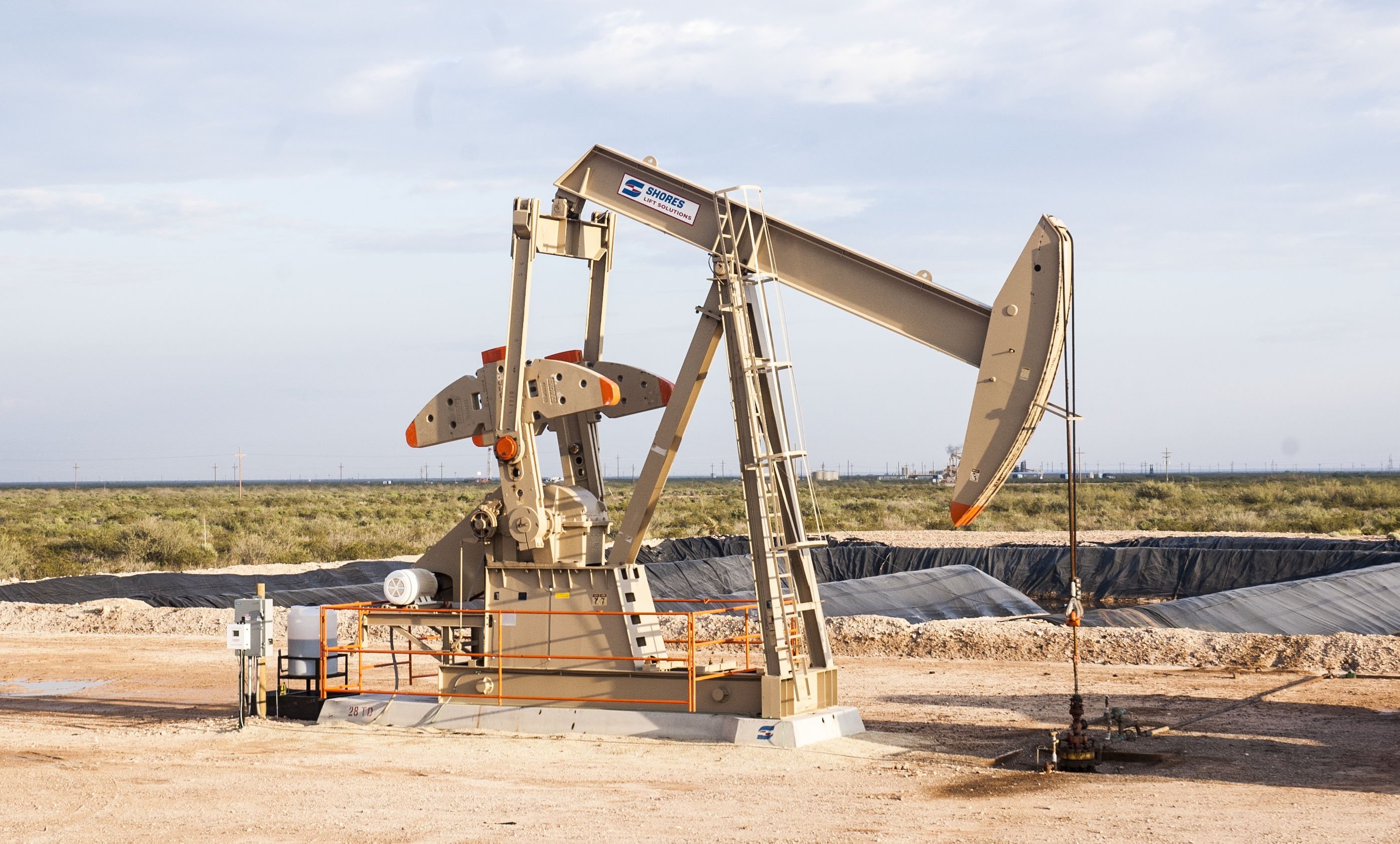
Building AI data centers requires enormous quantities of raw materials — from the concrete and steel of the buildings themselves, to the rare earth minerals inside every chip and server. Utilities nationwide are receiving an increasing number of requests from data center developers for large amounts of energy, representing a reversal of a trend since 2009 of relatively flat energy demand. Meeting that demand is fueling fossil fuel extraction alongside mineral mining.
Key Facts
- In 2015, the extraction of raw materials accounted for 7% of the world's energy consumption.
- Almost no rare earth minerals are recovered from informal e-waste recycling — total recovery rates for cobalt, for example, are only 30%, despite technology existing that could recycle 95%.
- Some utilities are moving to extend the life of coal power plants to meet data center demand, with the U.S. Department of Energy taking steps to facilitate such developments.
- Mining discarded electronics produces 80% fewer CO₂ emissions per unit of gold compared to mining it from the ground.
Why It Matters
The improper handling of e-waste results in a significant loss of scarce and valuable raw materials, including precious metals like neodymium, indium, and cobalt (Geneva Environment Network, 2024). When these aren't recovered, more must be mined — damaging ecosystems, displacing communities, and releasing greenhouse gases in the process.
What Can Be Done
Moving toward the use of more secondary raw materials in electronic goods — metals recovered from recycled devices rather than mined from the earth — could help considerably in reaching climate targets (Geneva Environment Network, 2024). Policies that incentivize responsible sourcing and circular manufacturing are key.