The Problem
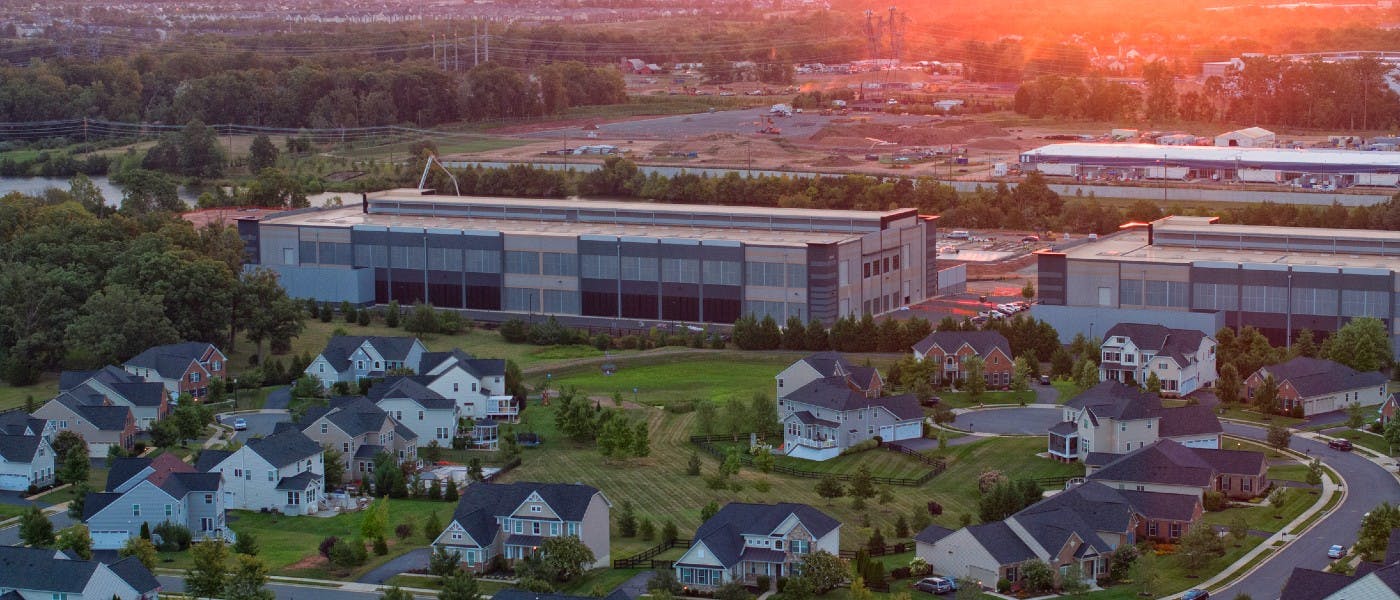
Data centers cause noise pollution. Once they are up and running, diesel generators plus heating, ventilation, and air conditioning (HVAC) systems create a constant hum that can be audible to neighboring residents and wildlife. Data centers generate noise levels that may exceed 90 decibels — and noise levels above 85 decibels are harmful to hearing (Elan, 2026).
Key Facts
- The long-term impacts of noise pollution include hearing loss, stress, insomnia, and overall decreased quality of life.
- Data centers also generate light pollution — hyperscale facilities require all-night lighting that disrupts circadian rhythms, melatonin production, and sleep-wake cycles.
- Light pollution from data centers is disturbing migration patterns and habitat development among birds, butterflies, bats, and other wildlife.
- A 2025 model estimates that U.S. data centers in 2030 could cause approximately 600,000 asthma symptom cases and 1,300 premature deaths, resulting in a public health burden of more than $20 billion.
Why It Matters
Data centers represent health risks for their neighbors — risks that are especially high from hyperscale facilities powered by fossil fuels (Elan, 2026). Communities near these facilities often have little say in where they're built, and the health effects accumulate over years of constant exposure.
What Can Be Done
Communities can advocate for noise impact assessments before data centers are approved in residential areas. Soundproofing requirements, buffer zones between facilities and homes, and local ordinances capping decibel levels at property lines are all practical tools. Transparency in the permitting process gives residents a voice before construction begins.